
What Dhurandhar Music Got Right About Audio Marketing — And What Brand Advertising Often Misses
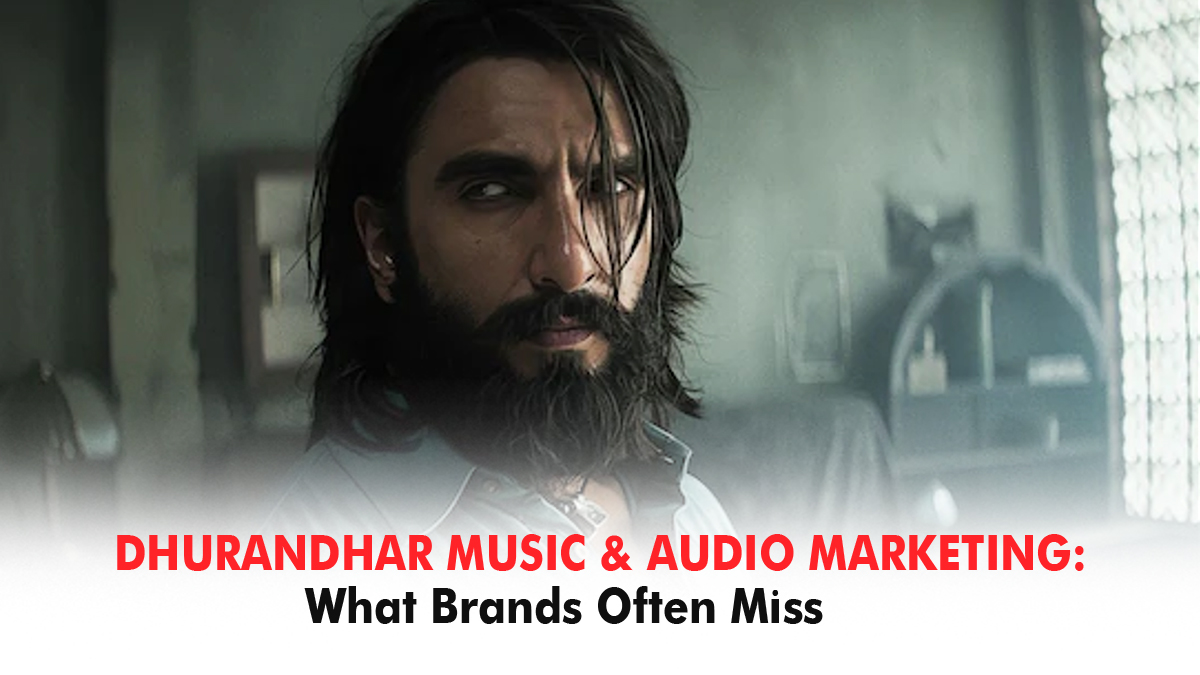
Most movies don’t become popular when they’re watched.
They become popular when they’re heard.
In a time when attention is scarce and scrolling is second nature, very few audio-led campaigns manage to create genuine curiosity.
Dhurandhar did exactly that. Before the film even released, conversations had already begun, not because audiences were told everything, but because the audio touchpoints revealed just enough. The sound didn’t shout. It hinted. It teased. It trusted listeners to lean in.
This is where audio marketing often outperforms traditional brand advertising, and where brands have a lot to learn about using sound as a storytelling tool.
Curiosity Before Clarity: The Dhurandhar Approach
Most brand audio campaigns are built around explanation.
What is the product?
What does it do?
Why should you buy it?
All of this is often compressed into a single, information-heavy audio message.
Dhurandhar took the opposite route.

Its early audio presence focused on:
- Mood over messaging
- Suspense over explanation
- Emotion over information
Listeners weren’t handed the full story upfront. Instead, they were invited to discover it through sound.
Curiosity is a powerful motivator in audio. When people don’t hear everything at once, they pay attention. They listen more closely. They replay, discuss, and share.
That’s a lesson audio marketing, when done thoughtfully, can use to build deeper engagement and recall.
Sound Is the First Emotional Touchpoint
Audio reaches people without demanding focus. It flows into everyday moments, during commutes, workouts, gaming sessions, or quiet late-night listening. That’s why sound often becomes the first connection between a movie and its audience.
Most hit films intentionally release a song before the movie arrives. This early audio drop isn’t random, it sets the mood, introduces the emotional world, and sparks conversation well ahead of release.
Dhurandhar’s music , “Na De Dil Pardesi Nu (Jogi)” did exactly that. The song didn’t explain the plot or the characters, yet it conveyed intensity, rebellion, and depth. It carried the film’s emotional tone on its own.
Listeners didn’t need context. The sound alone was enough to create curiosity.
Dhurandhar’s Music as Storytelling
In Dhurandhar, audio wasn’t an accessory to the narrative, it was the narrative’s emotional engine. Songs like “Fa9la,” “Gehra Hua,” “Lut Le Gaya,” “Shararat,” “Ishq Jalakar,” “Ez Ez,” and “Naal Nachna” helped establish the film’s tone well before release and sustained interest long after. Each track added a different layer of feeling—tension, intimacy, intensity, or release—allowing audiences to connect with the film even outside the theatre. The background score played an equally important role, reinforcing the film’s themes and atmosphere, making the world of Dhurandhar instantly recognisable through sound alone. This consistent audio identity is what allowed the film to stay present in people’s minds, not just when it was talked about, but when it was heard.
Listen to Dhurandhar Music
Why Audio Is Central to Every Hit Film
This role of sound isn’t unique to Dhurandhar. Across cinema, audio has always been integral to a film’s success. Most hit movies are inseparable from their music—songs, background scores, and signature motifs that live far beyond the release window. Often, a song is released before the film itself, creating anticipation, emotional connection, and curiosity well in advance. Recent hits like “Saiyaara” show how a single track can take on a life of its own, living across playlists, reels, and everyday listening moments. Long after the initial release window, the song continues to trigger emotion and recall.
Old songs are frequently remade because audio is eternal; melodies resurface across generations, proving that sound carries memory in a way few other elements can. A film without strong audio struggles to create lasting impact, because sound is what people carry with them, through playlists, hums, and shared listening moments. In cinema, audio doesn’t just support the story; it ensures the story is remembered.
Background Music: The Invisible Storyteller
Beyond its songs, Dhurandhar’s background music played a defining role in shaping the film’s theme and overall vibe. Tracks like “Rambha Ho” and “Run Down the City – Monica” weren’t merely supporting elements; they actively guided the narrative, building tension, reinforcing mood, and creating emotional continuity across key moments. Even without lyrics, these compositions communicated intent and intensity, proving how powerful sound can be on its own. Great films understand this instinctively: music sets the emotional tempo, sound design shapes atmosphere, and repetition builds familiarity and recall. A recurring sound or motif can instantly transport listeners back into the story, triggering emotion before conscious thought. That kind of sonic consistency is what makes movie audio unforgettable, and the same principle applies to brands.
For companies looking to create memorable, trendy audio ads, through strong sonic cues, distinctive jingles, and brand tunes that audiences actually enjoy, Paytunes’ creative team crafts engaging scripts, trend-forward brand-specific jingles, and places your audio across 850+ music, podcast, gaming, and Alexa platforms, including metro, in-game, and podcast environments, ensuring your brand is heard, remembered, and loved.
Teasers Over Overload
Movie marketers understand something brands often forget: you don’t need to say everything at once. Film teasers are intentionally brief. They don’t explain the plot or resolve the story. Their only job is to spark interest and make the audience want more.
Brand audio, on the other hand, often tries to do too much at the same time. Feature lists, offers, and multiple calls to action are packed into a single message, turning what could be a memorable moment into background noise. When everything is emphasised, nothing stands out, and recall suffers.
Audio works best when it behaves like a teaser rather than a brochure. One core idea, one emotional hook, and one clear takeaway are often enough. People don’t remember ads they hear once; they remember sounds they hear again.
Voice, Silence, and Pacing Matter
One of the most effective elements of Dhurandhar’s audio strategy was restraint.
Voices were chosen deliberately. Pauses were intentional. Silence was allowed to breathe.
In audio:
- A rushed voice feels transactional
- A calm voice builds confidence
- A mysterious tone invites curiosity
Just like cinema, audio thrives on rhythm, not rush. A brief pause can heighten attention and make the listener lean in.
Why This Matters Now
We live in a screen-saturated world. People are constantly multitasking, and attention is fragmented. Audio fits naturally into this reality.
It doesn’t interrupt. It accompanies.
That’s why podcasts, music streaming, voice assistants, and ambient listening moments are growing, and why audio-first storytelling matters more than ever.
What Brands Can Learn
Movies treat audio as a long-term asset, not a one-time execution.
For brands, this means:
- Introducing sound before a campaign launches
- Creating distinctive sonic cues that repeat over time
- Designing brand tunes that live beyond the ad itself
When sound becomes consistent, it becomes familiar. When it becomes familiar, it becomes trusted.
Final Thought: Think Like a Filmmaker
Dhurandhar succeeded not because it was loud, but because it was deliberate. Its audio choices were intentional, restrained, and emotionally driven, designed to invite listeners in rather than overwhelm them.
Movie marketers assume their audience is intelligent, curious, and capable of connecting dots. When brands adopt the same mindset, especially in audio, advertising can move from interruption to intrigue. Sound doesn’t need to explain everything at once. It needs to spark interest, set mood, and stay with the listener.
Just like films, brands don’t need to say everything upfront.
They need to be heard first.